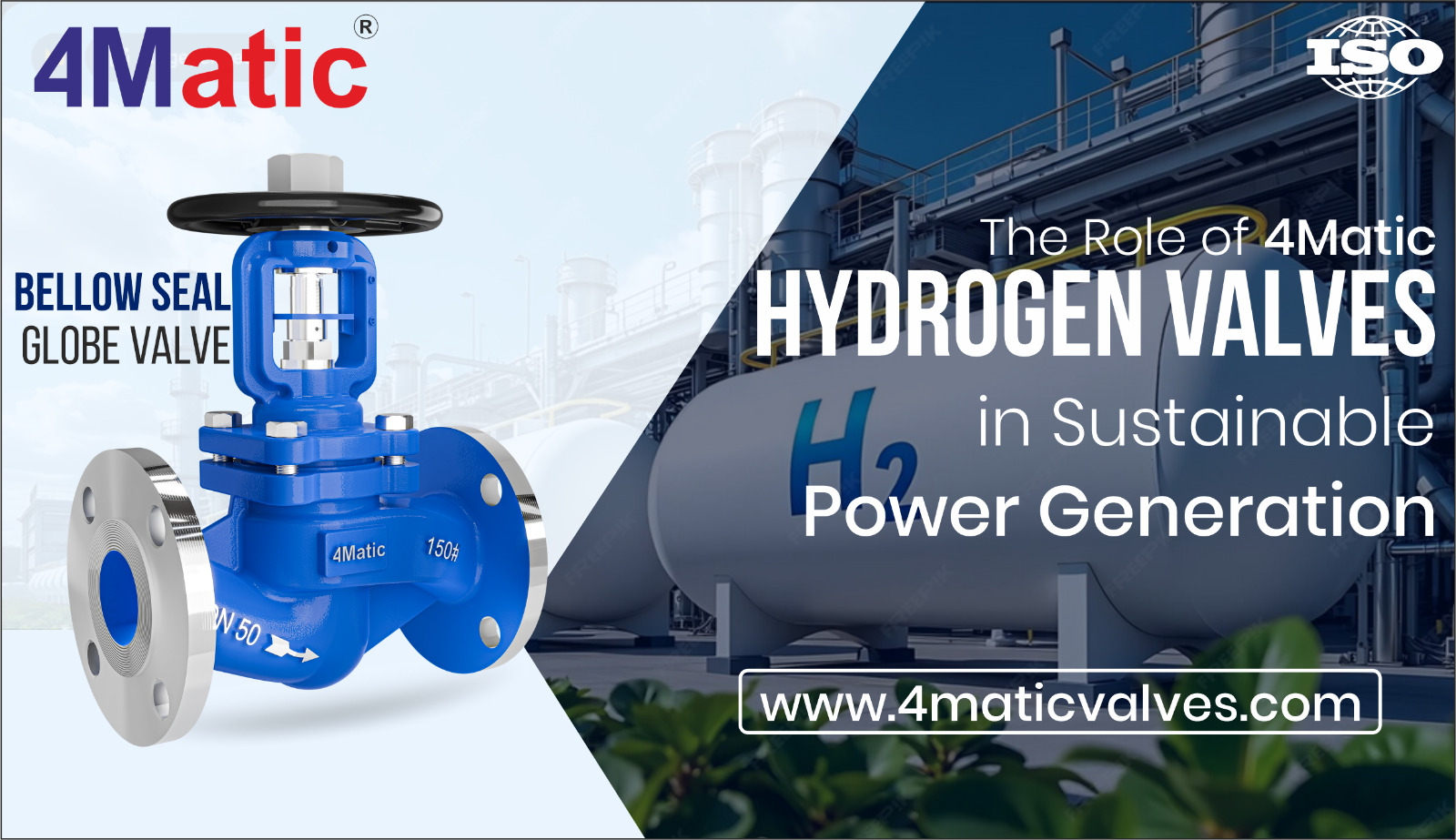
This write-up analysis the technological advancement in valve industry, more particularly in renewable power generation, particularly concentrating in the field of hydrogen, solar, wind and geothermal energy. Worldwide drive towards sustainable energy solutions has received a remarkable strength. Universally, the countries are desperately trying to catch up with aspiring carbon reduction targets, the valve industry is busy with the modifications for adaptation of new upcoming technologies, so as to meet the emerging challenges and opportunities. This essay is to illustrate the most recent evolutions in hydrogen and renewable energy sectors, specifically concentrating on the vital role to be played by valves in these upcoming industries. Time and again, hydrogen has been acknowledged as the fuel of the future. This conceptual phenomenon is very fast turning into a factual reality. Hydrogen has all the possibilities to decarbonise very many industrial sectors. From transportation to heavy industry, hydrogen has become the basis of energy policy in various countries.
Production and Storage of Hydrogen
The Role of Valve in Hydrogen Applications
1. Petrochemical Industries: Essential for safely handling flammable and toxic hydrogen in various processes.
2. Hydrogen Fueling Stations: Ensures safe and efficient refueling by maintaining a leakproof seal for high-pressure hydrogen.
3. Fuel cells: Manages hydrogen flow and prevents contamination, ensuring peak system efficiency.
Hydrogen Valve Design Challenges
Sectors of Renewable Energy
Solar Power
Geothermal Energy
The Indian Point of View
India’s National Green Hydrogen Mission, launched in January 2023, aims to achieve an annual production of 5 million tonnes of green hydrogen by 2030, with potential investments exceeding 100 billion USD. The mission pays attention on many vital fields where high- tech valves will be of great importance:
1. Enhancing the volume of green hydrogen output,
2. Producing electrolyzers,
3. Promoting R&D for the betterment of efficiency and cost-effectiveness,
4. Setting up a vigorous hydrogen supply network and distribution chain.
These dynamics give out reasonable openings to the valve industries. As for Indian manufacturers, they are gearing up to match the increasing demand, backed up by “Make in India” movement initiated by the government. As a result, at present the domestic companies are exploiting the opportunities in the field of hydrogen valves sector, which is being dominated by European entities.
Global partnerships are also being encouraged through investing in R&D so as to have technology upliftment in this field. Government funds are also available for research purposes as well as to come out with advanced materials and latest manufacturing technologies with the target to see India on top of the world in hydrogen valve technology.
LASTLY . . . . . .
The valve industry at present is at the threshold of challenges and opportunities as a result of fast-track development of hydrogen and renewable energy sectors. Manufacturers are trying their best to overcome this scenario through the enhancement of innovative solutions which can undertake the peculiar needs of these latest applications. The ability for adaptation and innovation are being demonstrated from high-pressure hydrogen valves to specialised designs for geothermal fluids. As these sectors persist to develop, co-operation is very important between valves manufacturers, energy sourcing entities and authoritarian bodies. The evolution of new norms, such as Kiwa’s AR214, will influence in a crucial way for assuring the safeguarding and dependability of these new energy systems. The valves manufacturers and suppliers, keeping themselves well aware of these evolutions and investment in research and development will make the most of these opportune times provided by the green energy transition. As the world goes ahead to an eco-friendlier future, the valve industry will definitely pave the way for a very important role to make the dream come true.